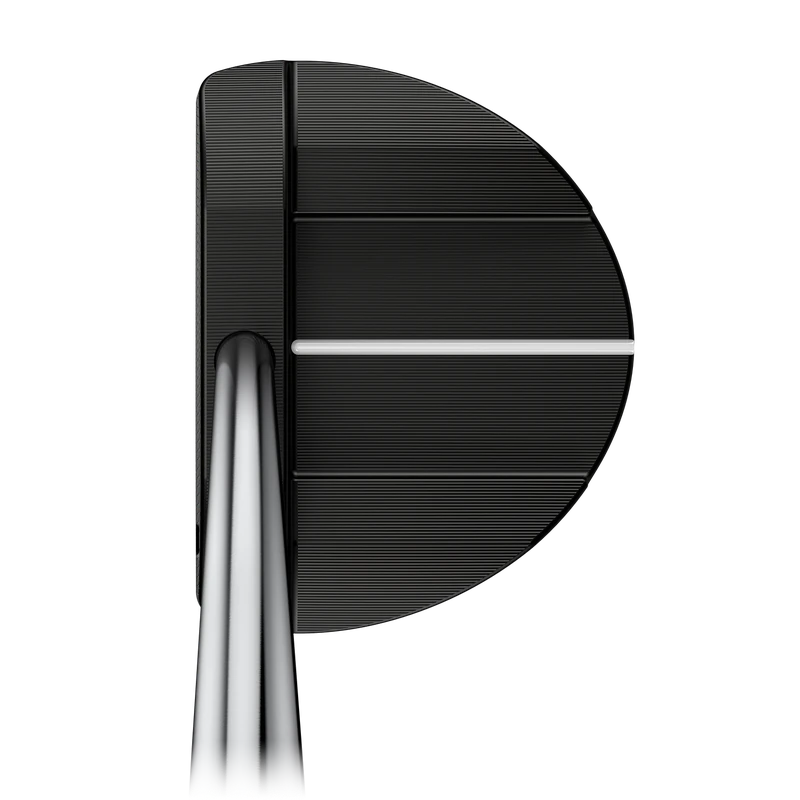
About the brand

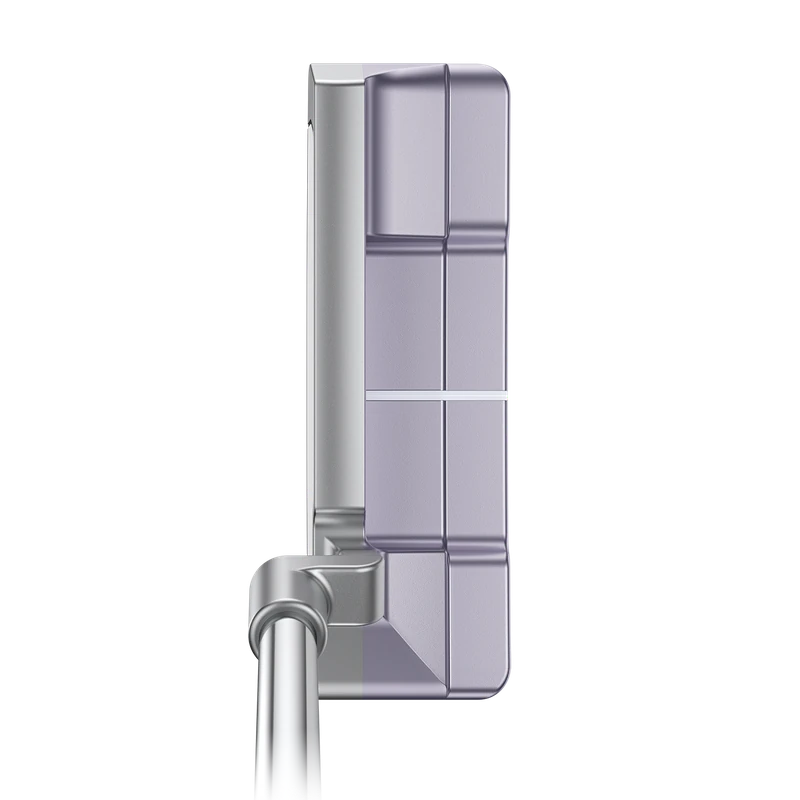
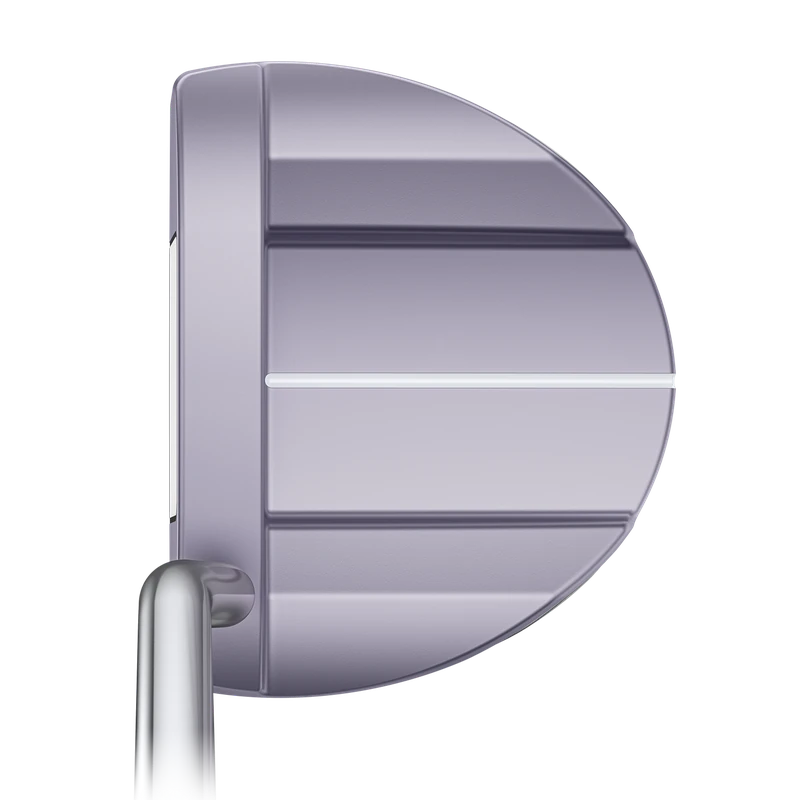
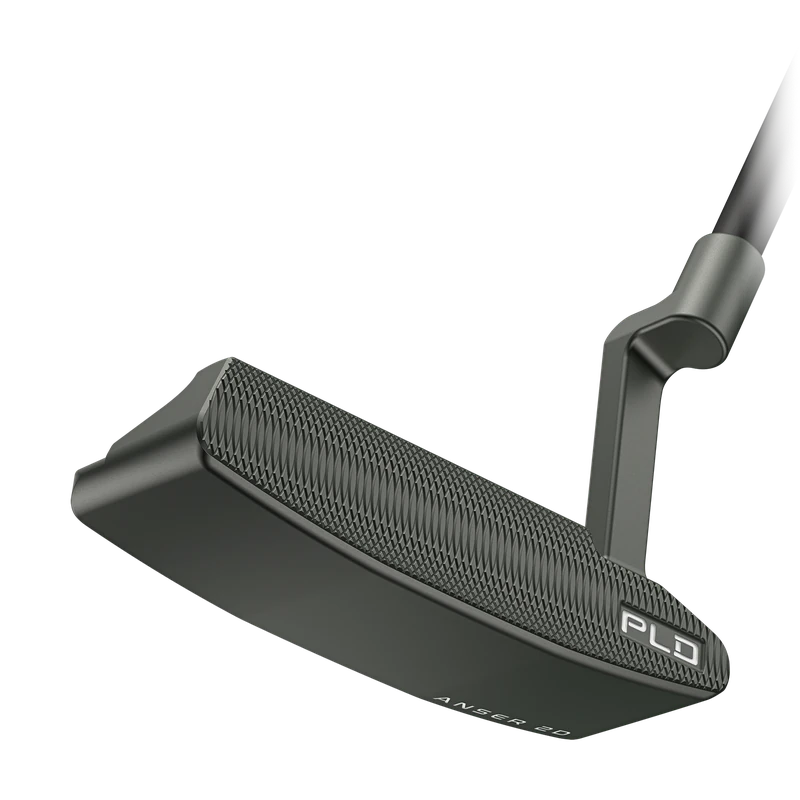
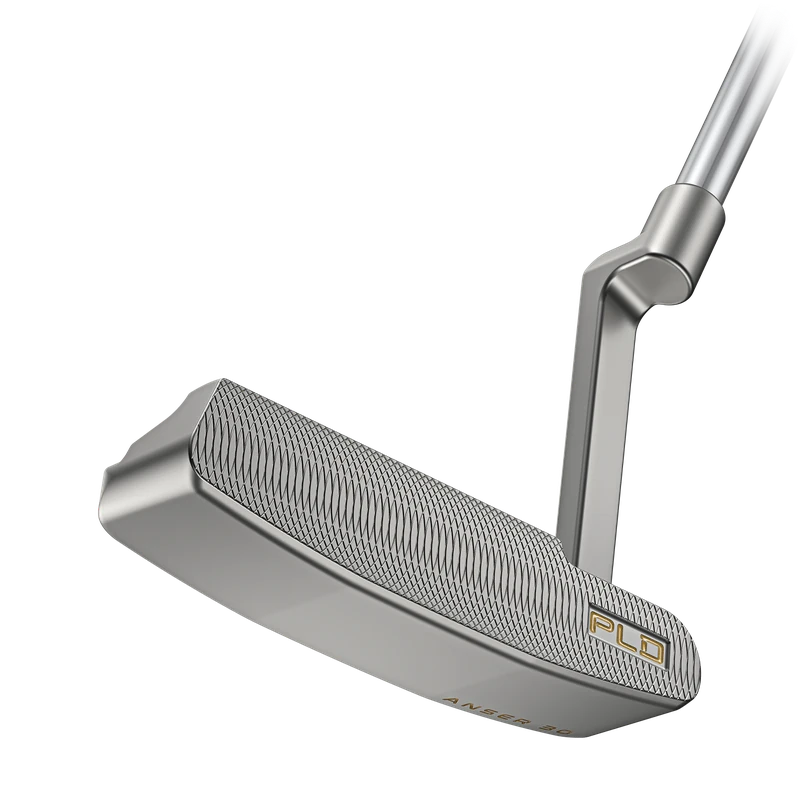
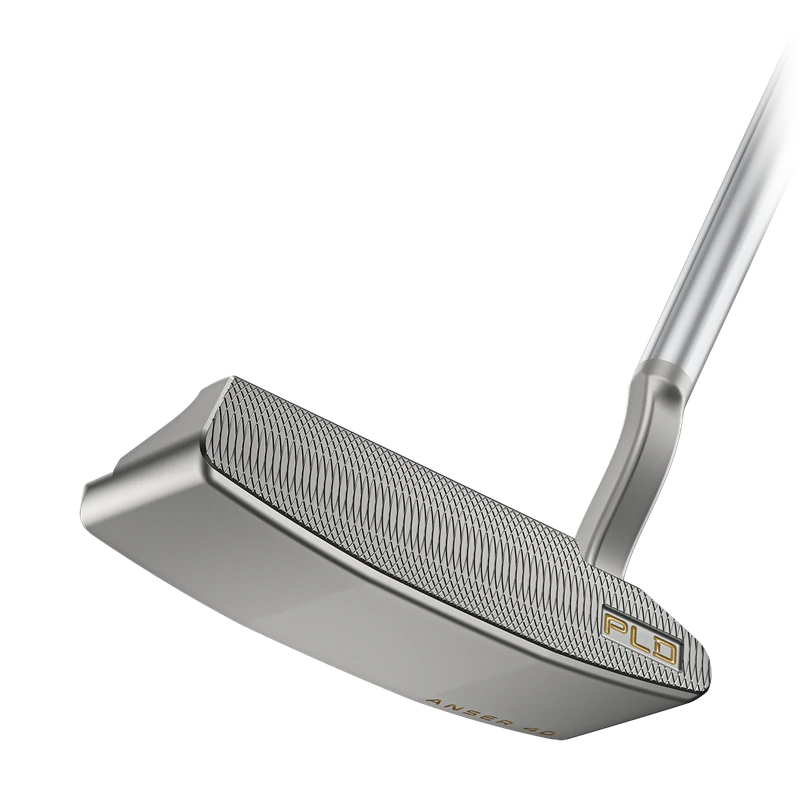
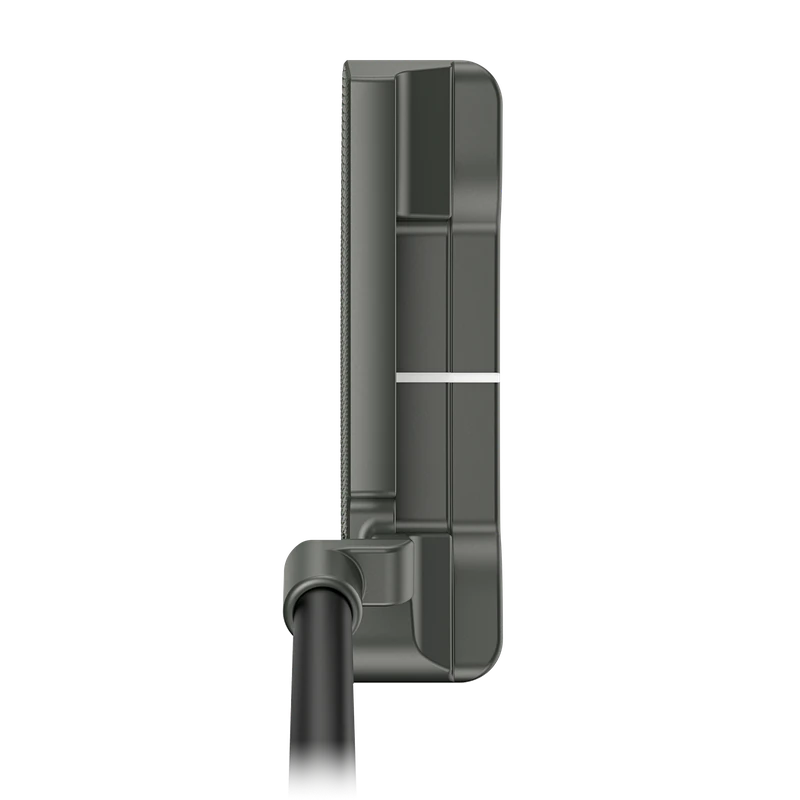
Karsten Solheim was a General Electric engineer with a putter problem, and the club he built in his Redwood City garage in 1959 made a sound at impact that gave the company its name. Together with his wife Louise, he turned Ping into a family business that still runs out of Phoenix under Karsten Manufacturing, with a workforce of about a thousand. When the Anser putter arrived in the mid-1960s, Louise supplied the name. Its shape is still the most copied in golf, the default look of a blade putter.

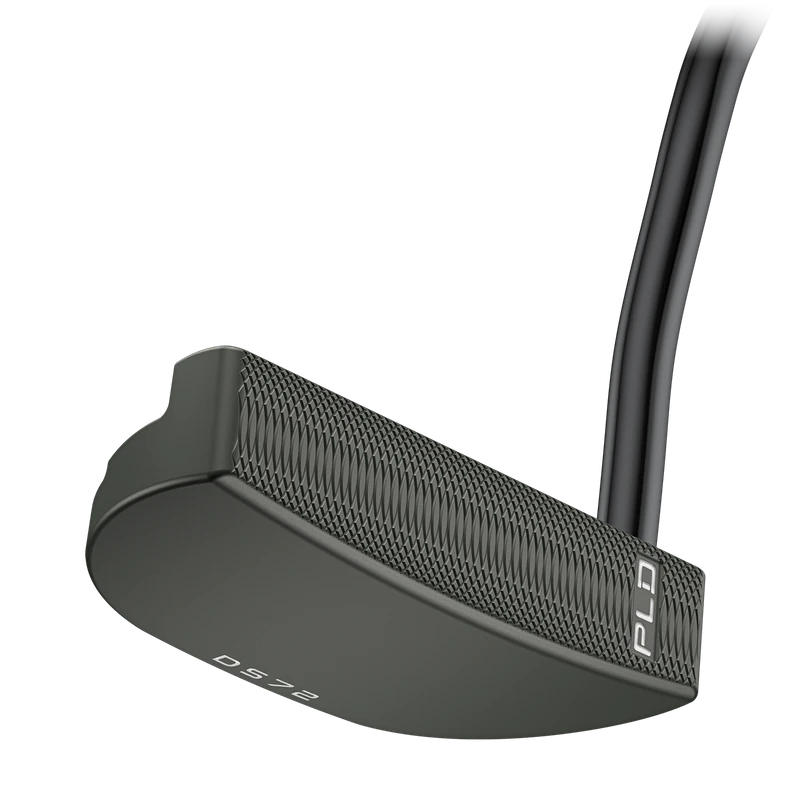
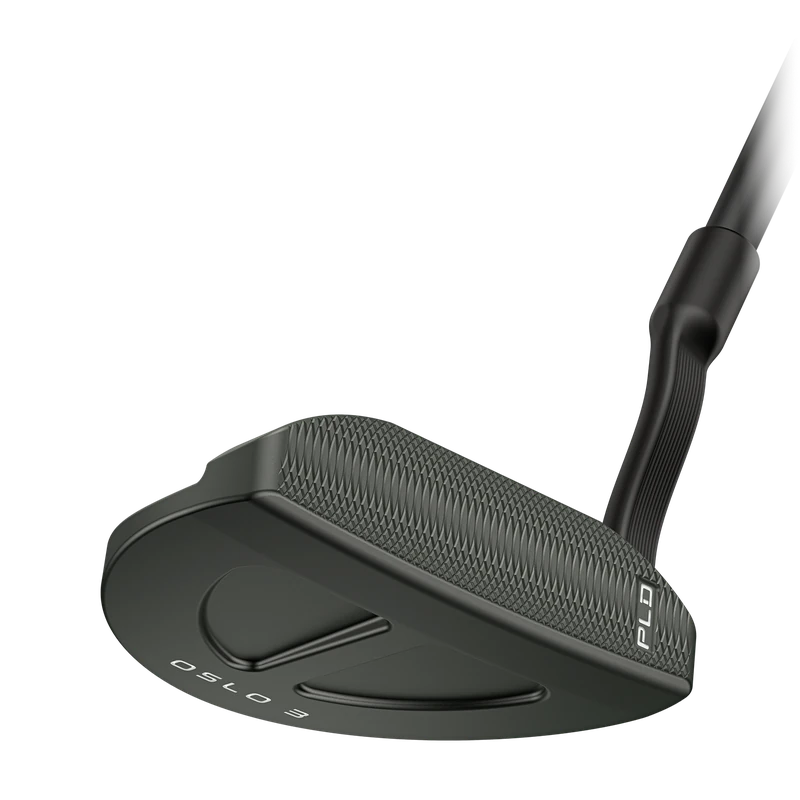
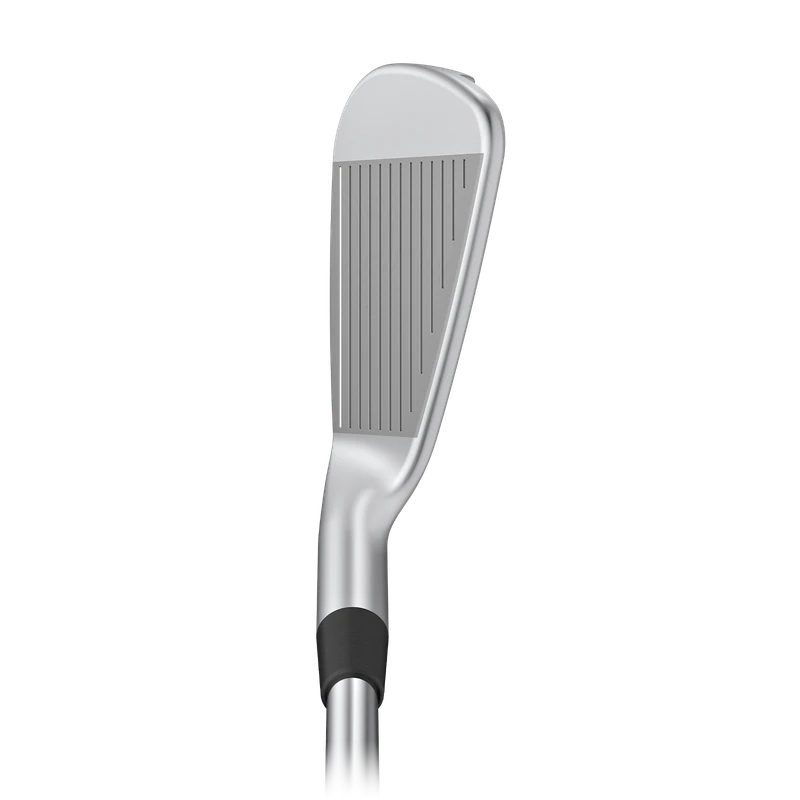
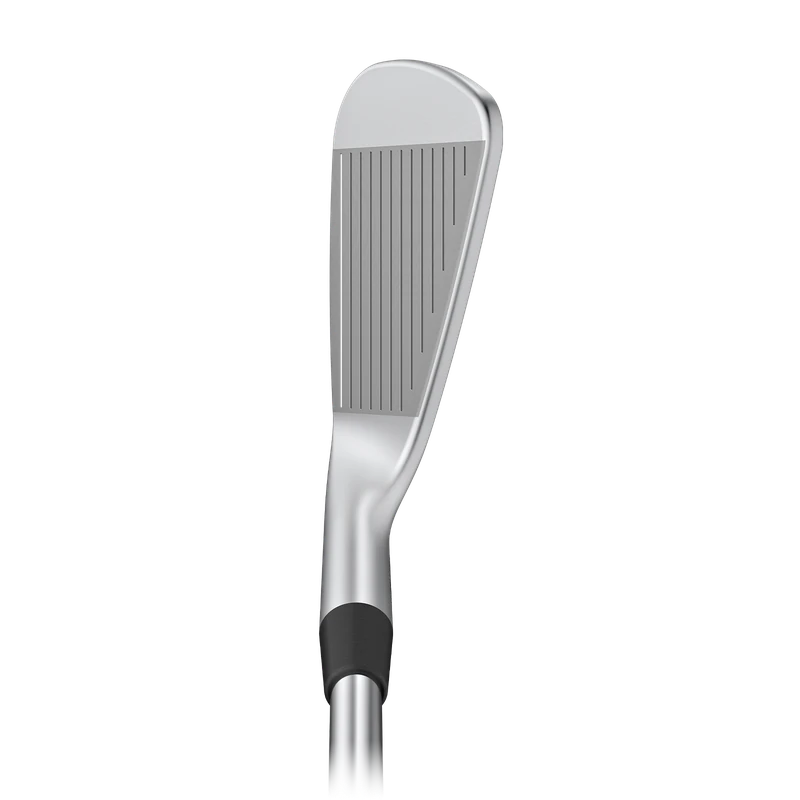
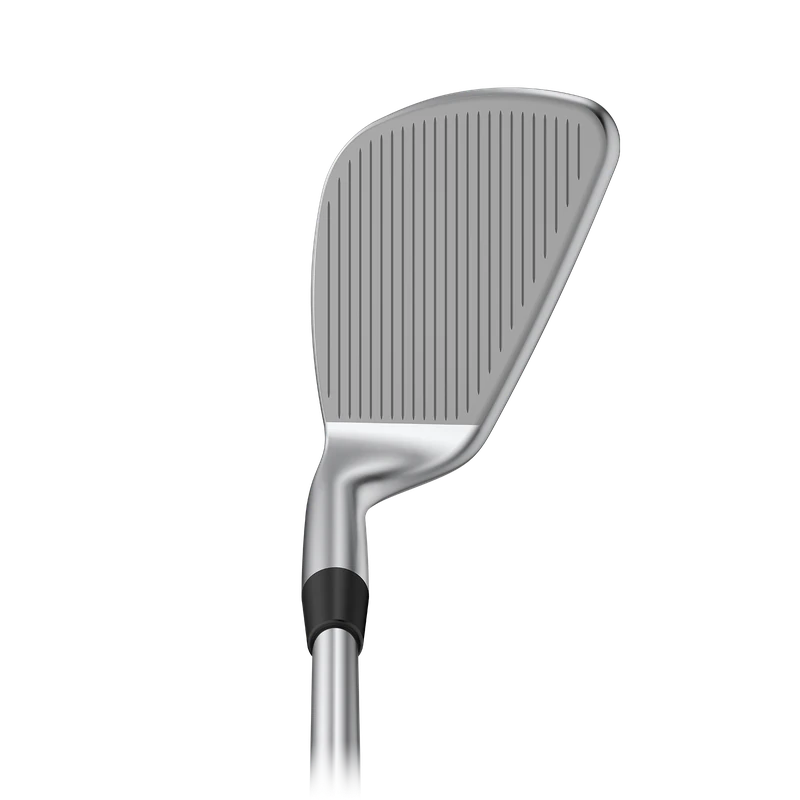
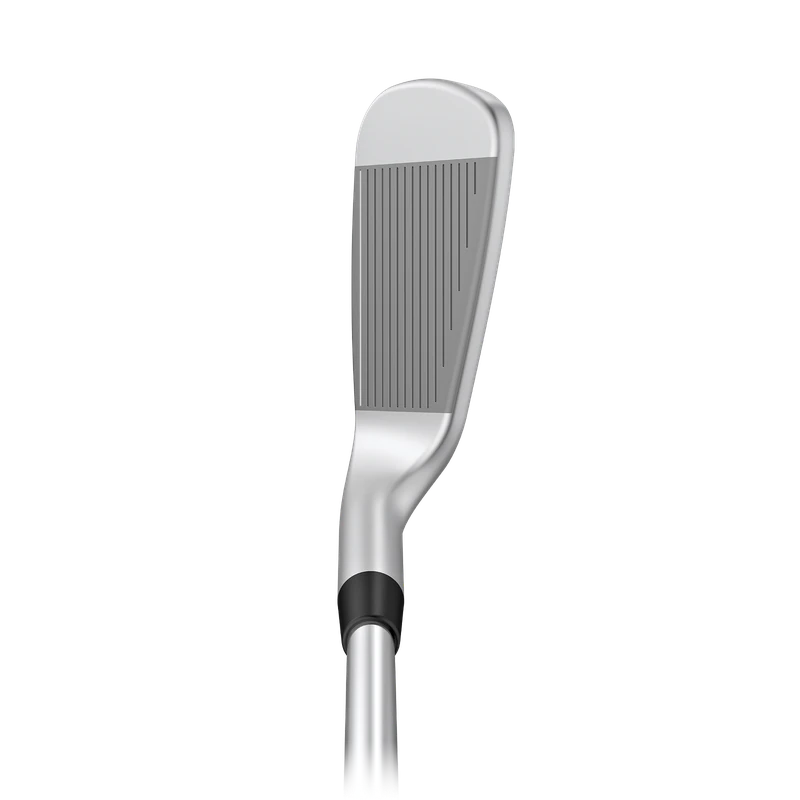
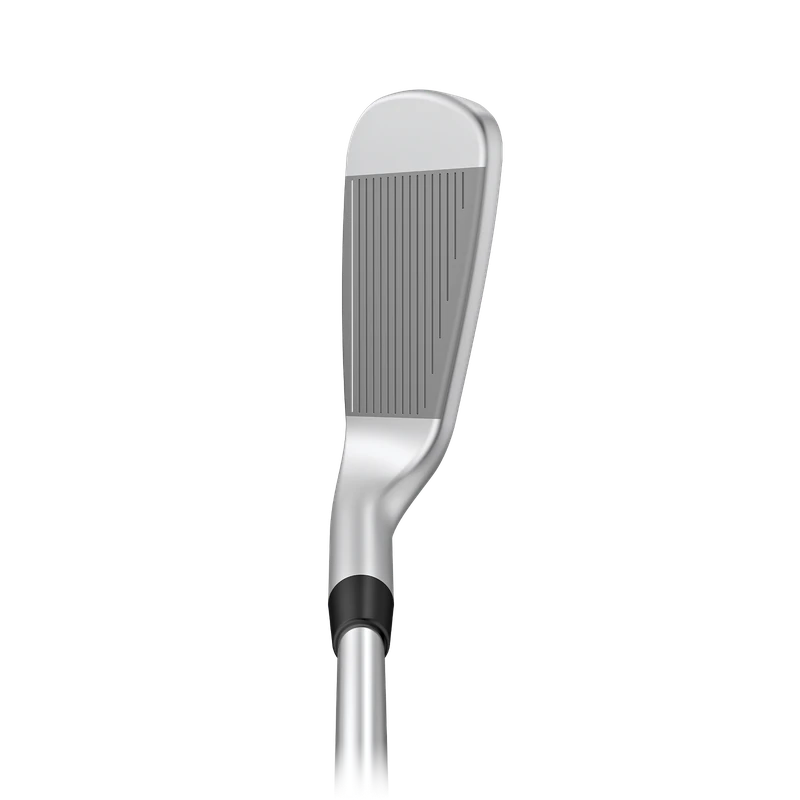
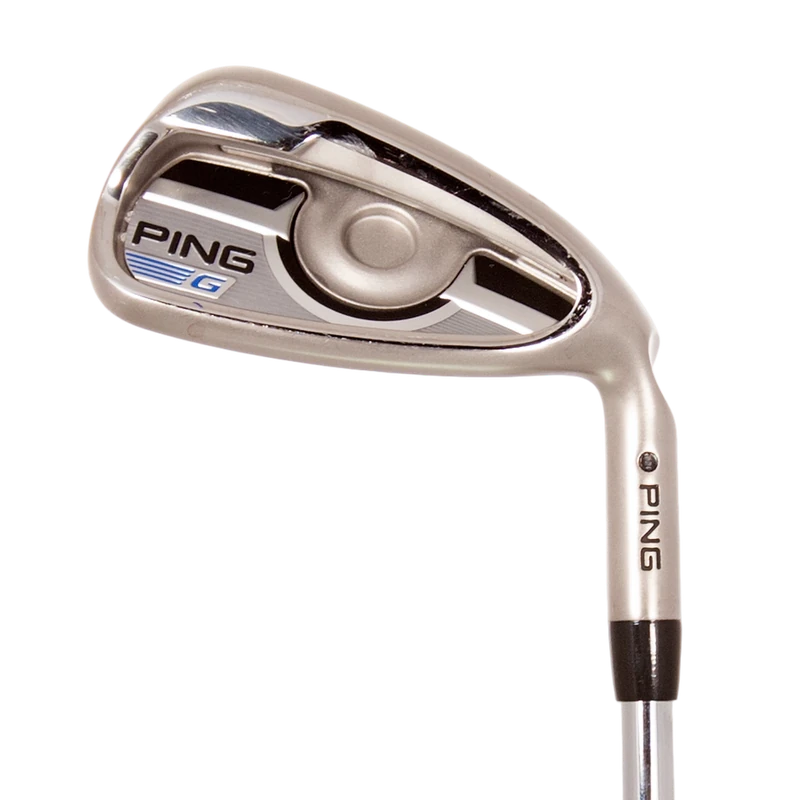
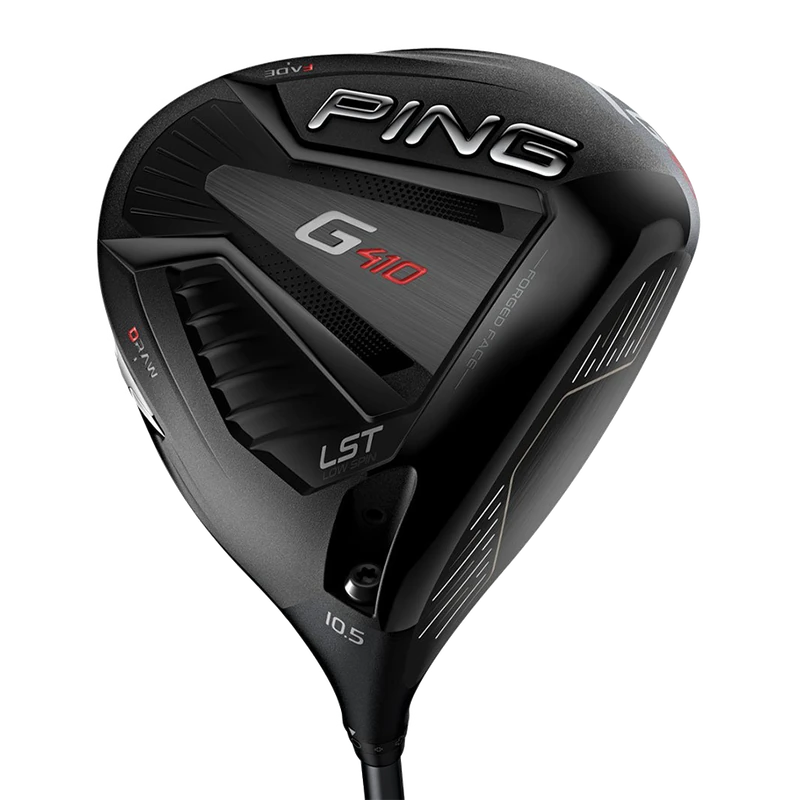
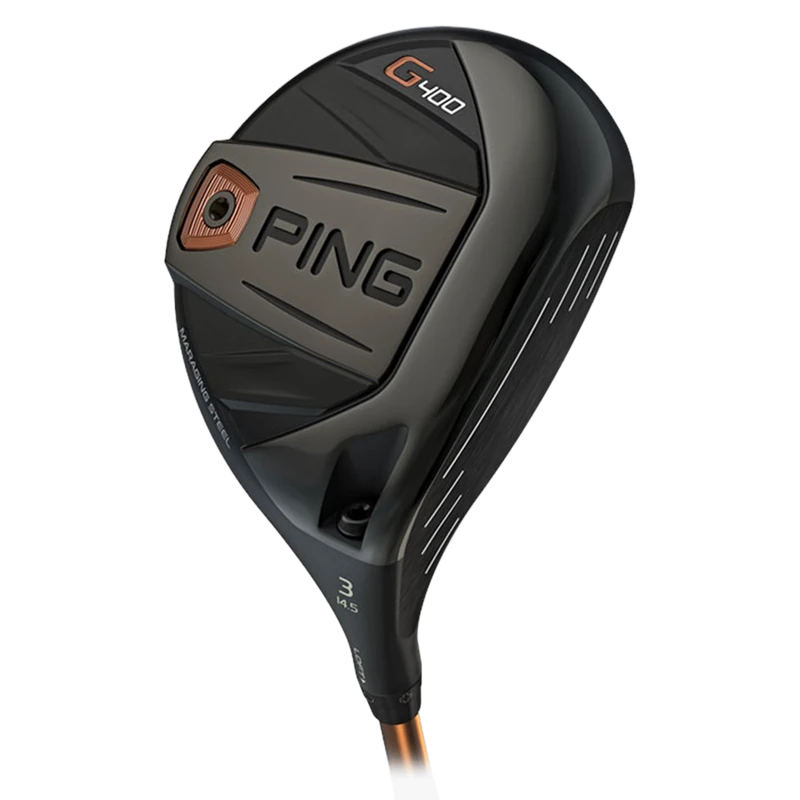
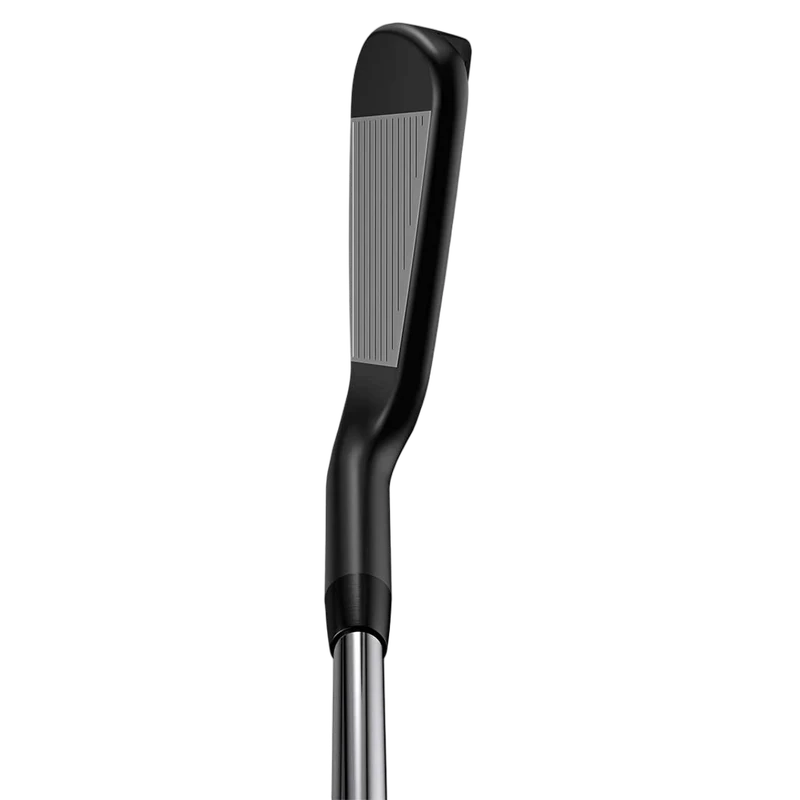
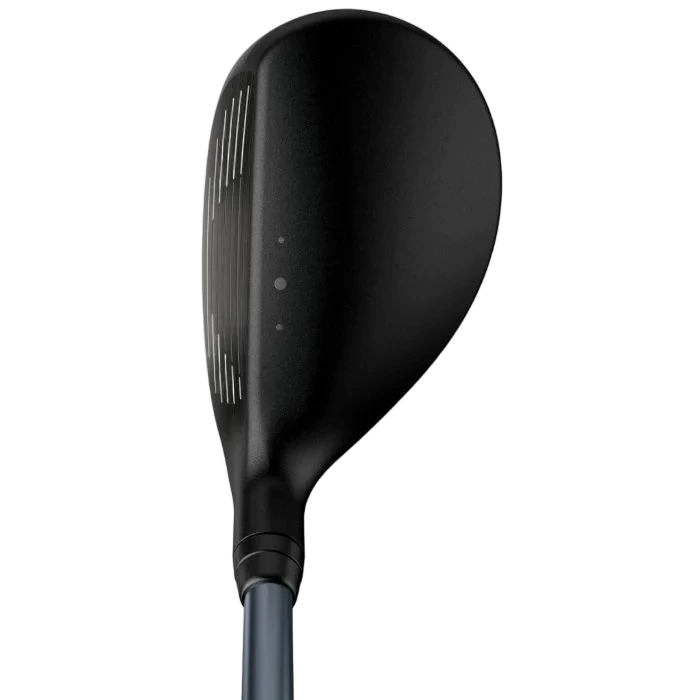
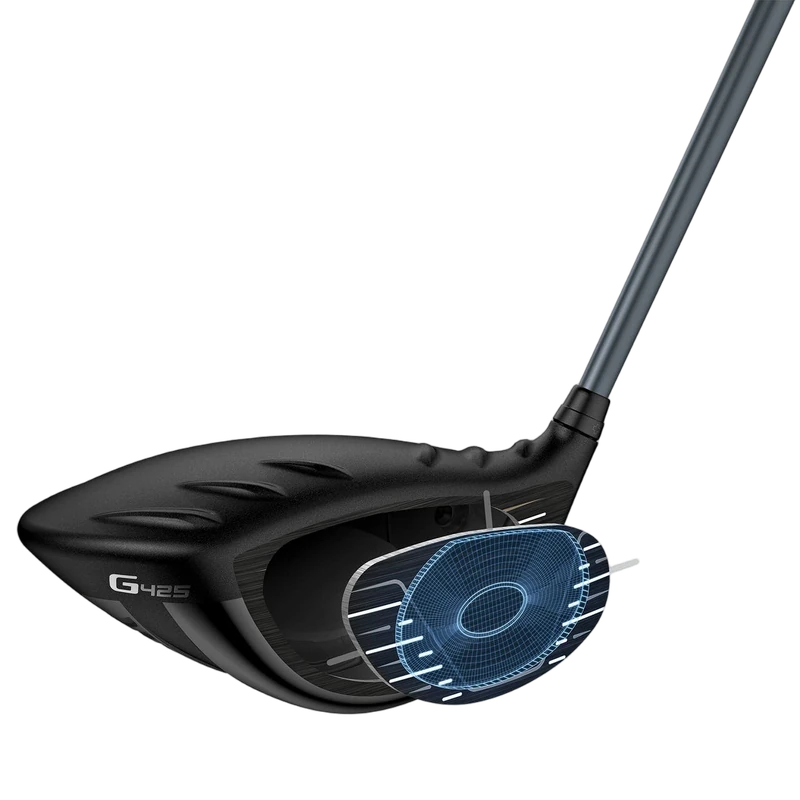
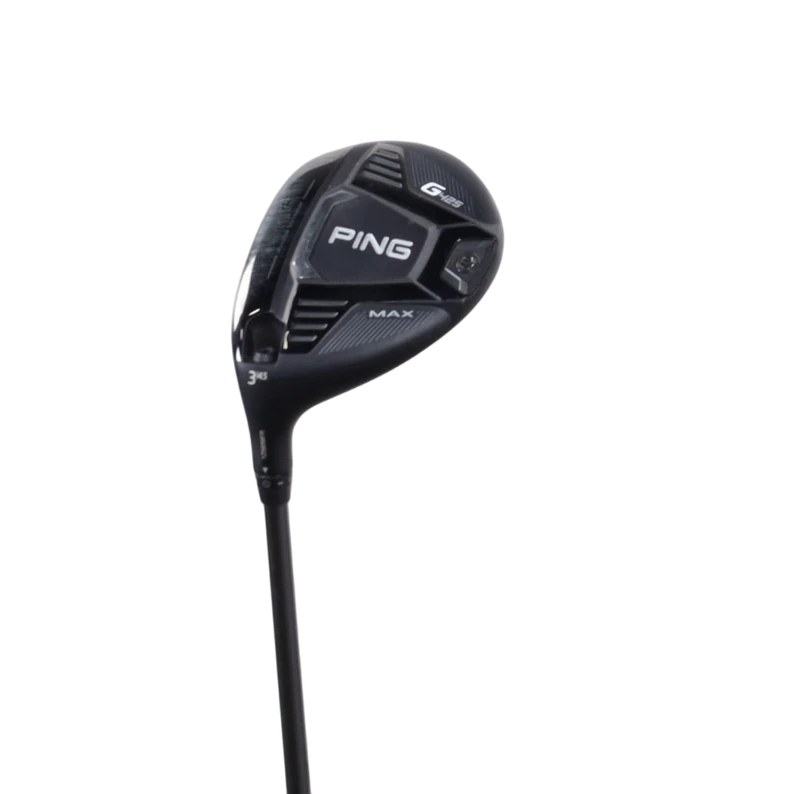
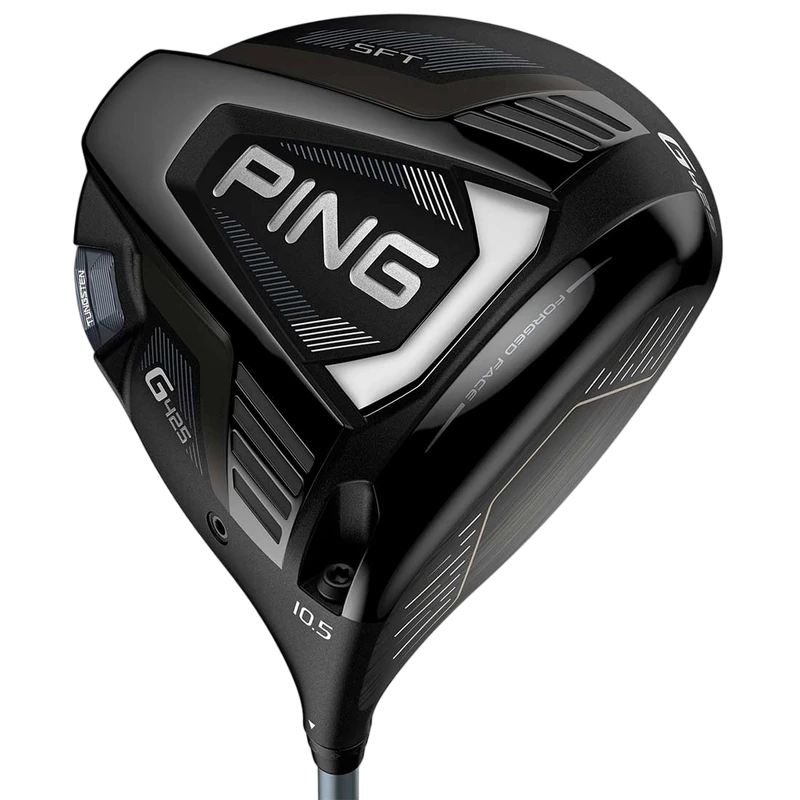
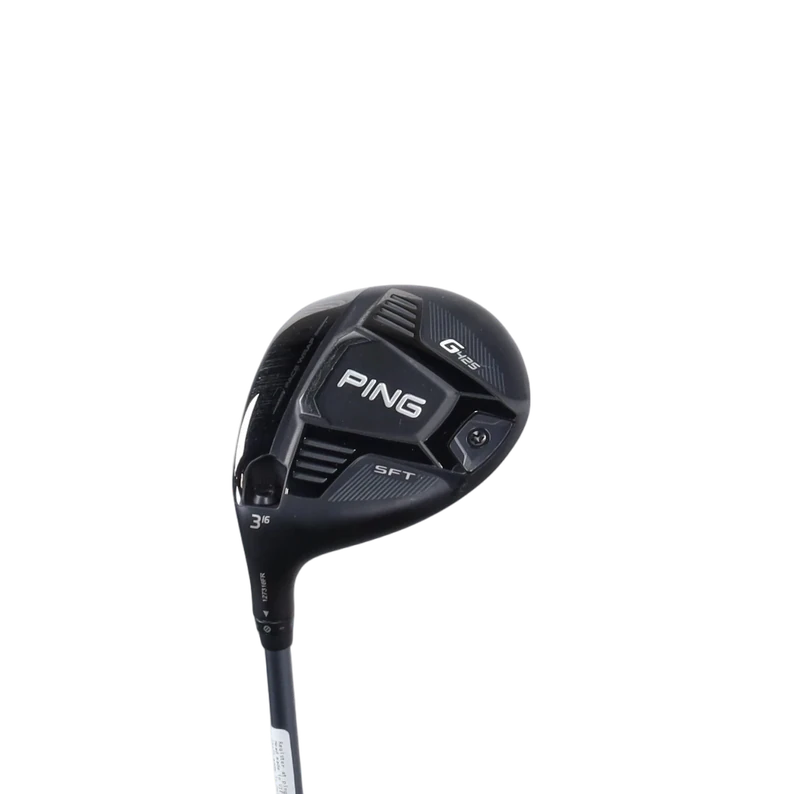
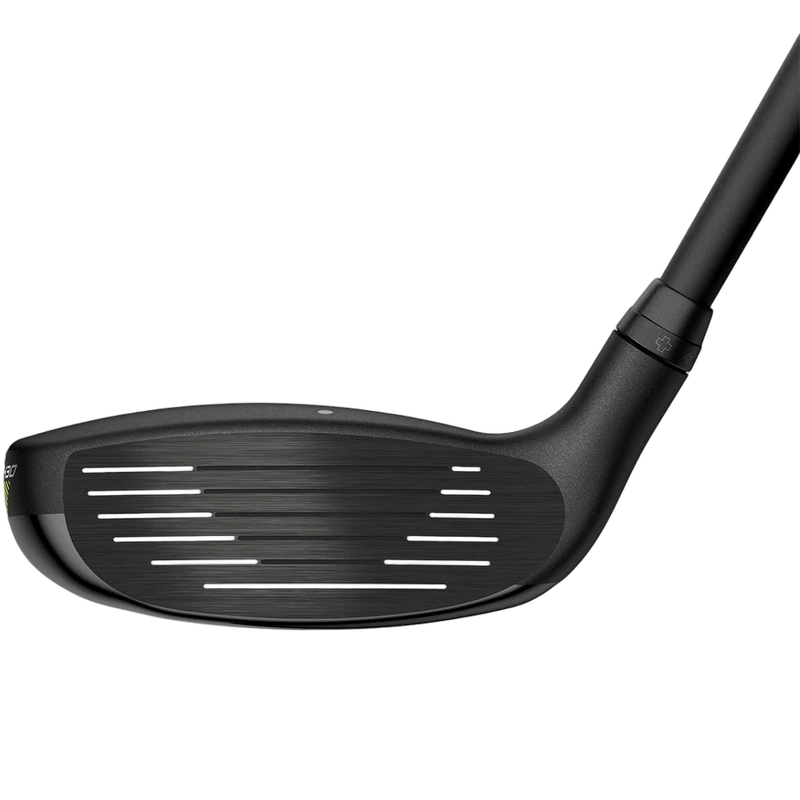
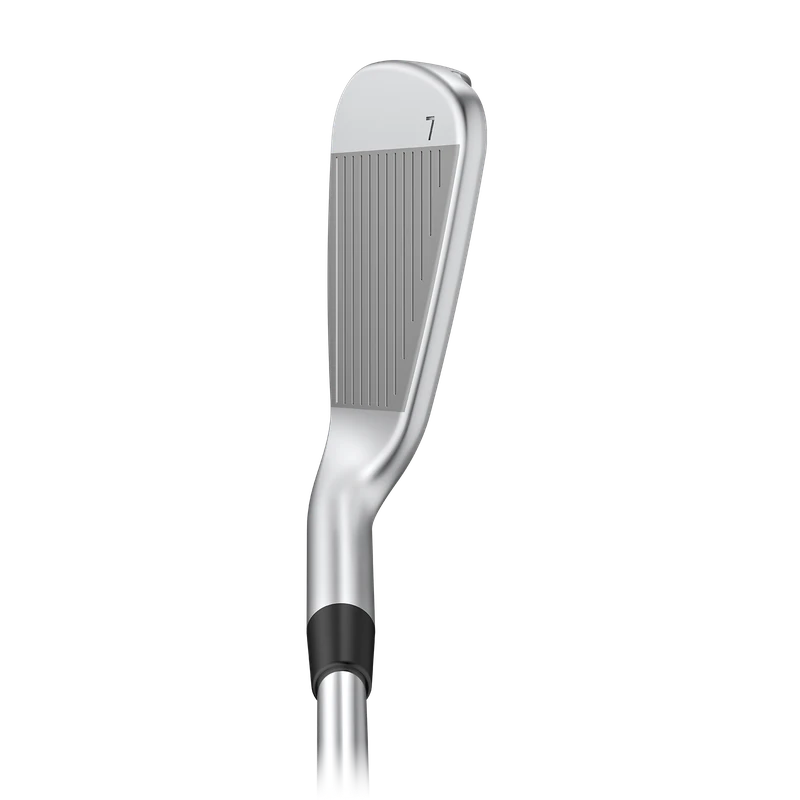
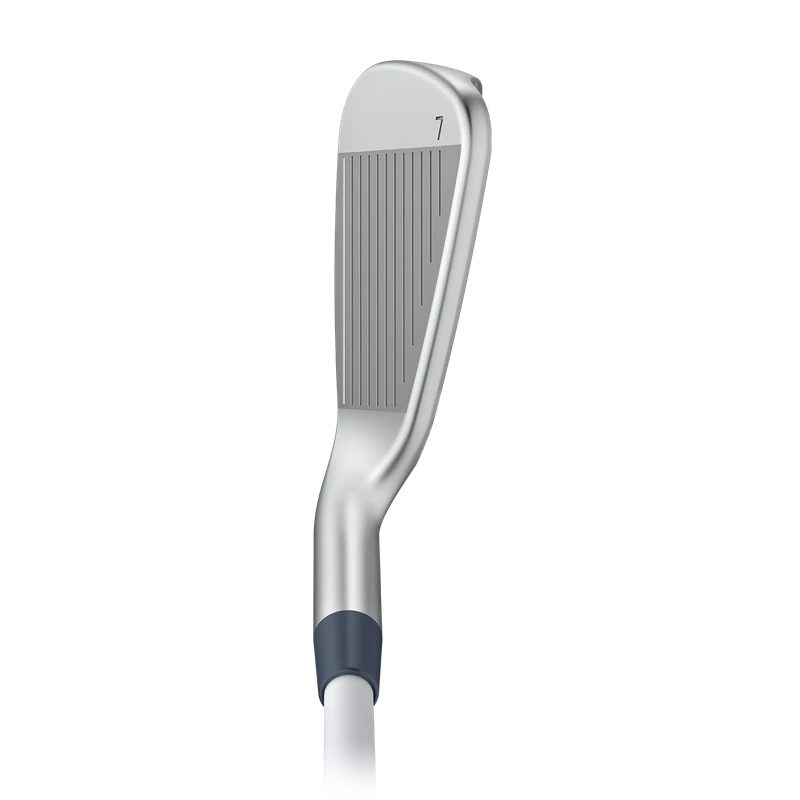
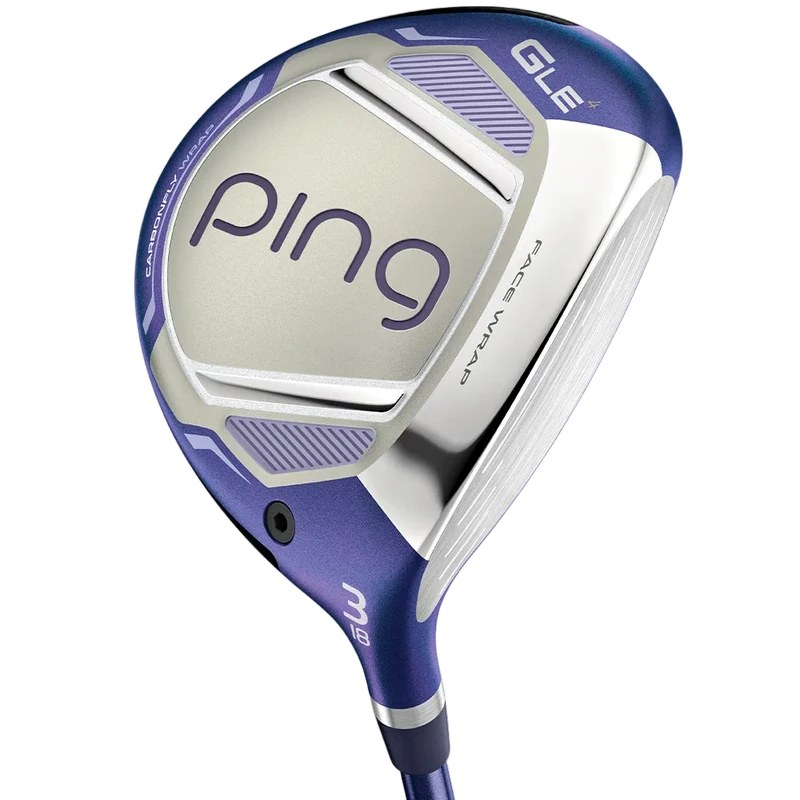
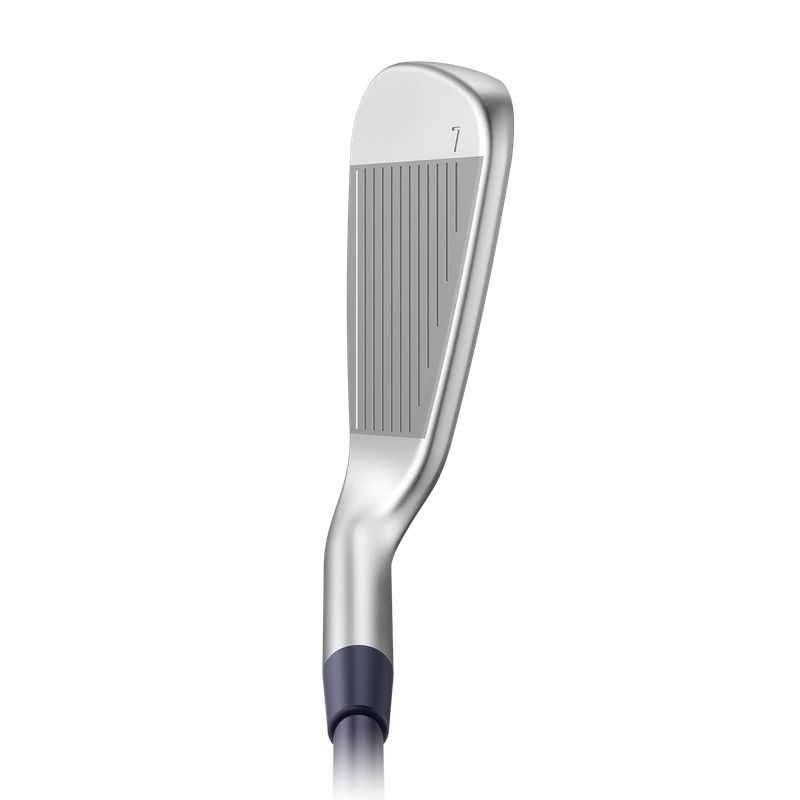
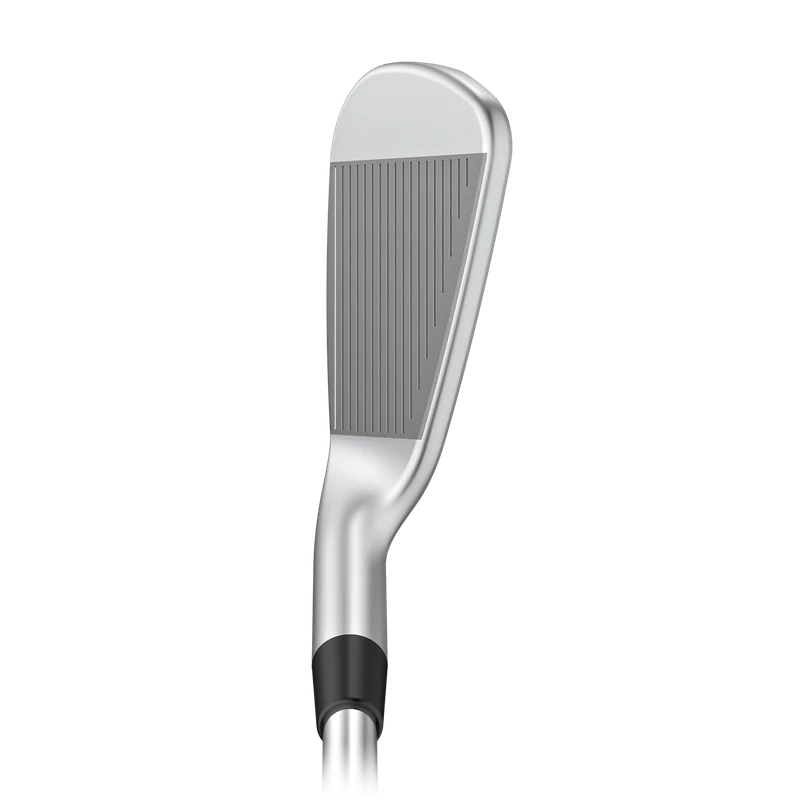
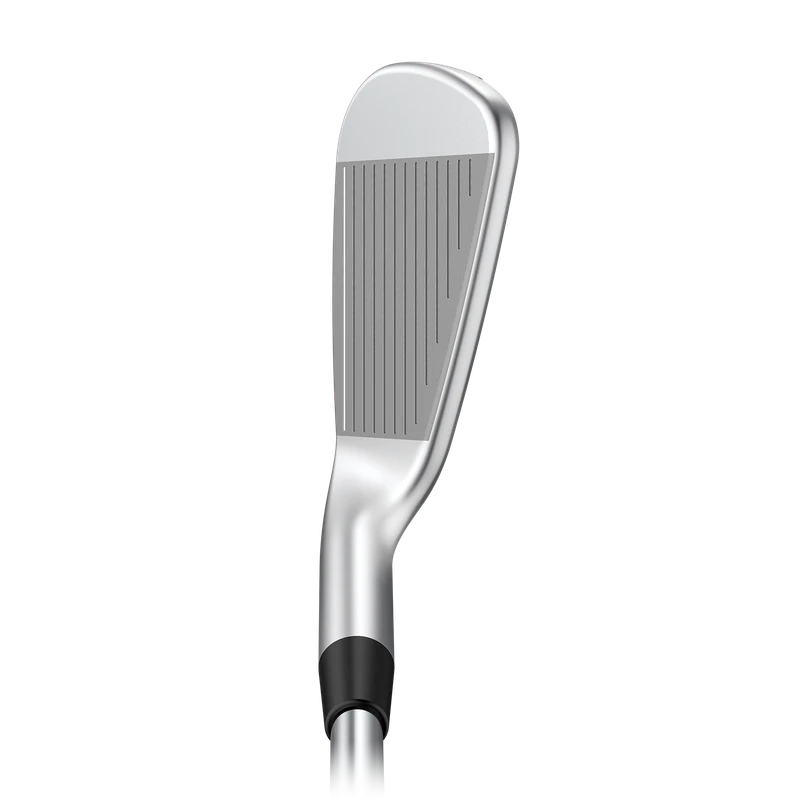
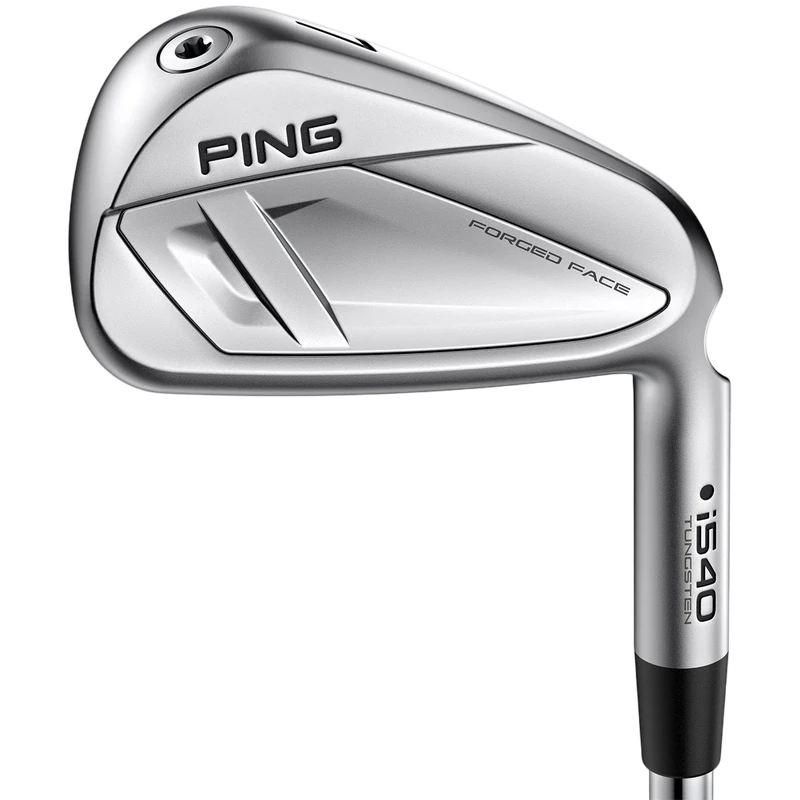
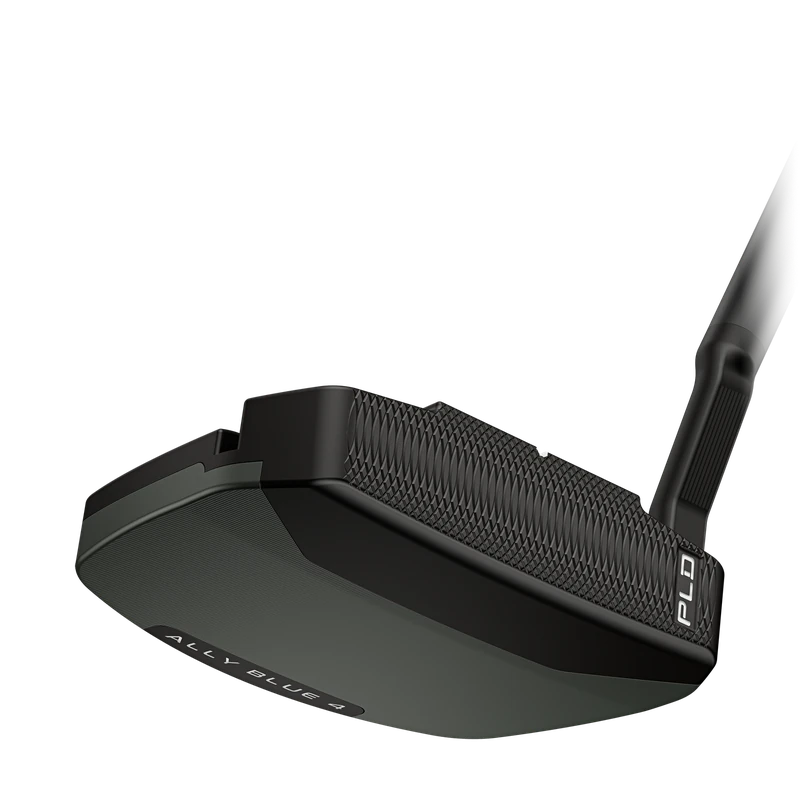
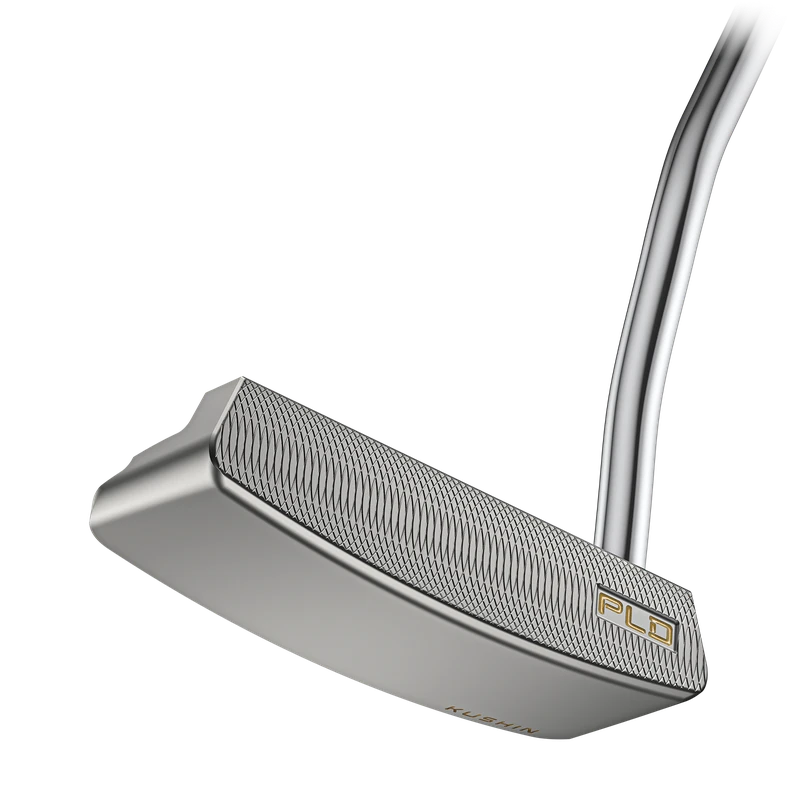
Two engineering ideas sit under most Ping golf clubs: heel-toe perimeter weighting, which moves mass to the edges of the head so off-centre strikes hold their line, and investment casting, which made consistent cavity-back irons possible at scale. Then there's fitting. Since 1972 the Color Code chart has sized a golfer's lie angle from height and wrist-to-floor measurement, and few companies have pushed custom fitting harder. A membership account on the company's site keeps a record of your specs after the fitting, and the grips can be ordered with Arccos sensors that log every shot. The families are easy to keep straight: G for forgiveness, i-Series for better players, Blueprint for the forged blades, with s159 wedges and Scottsdale and PLD Milled putters alongside. Most golfers meet Ping through a fitting cart, and that's about how the company would want it.
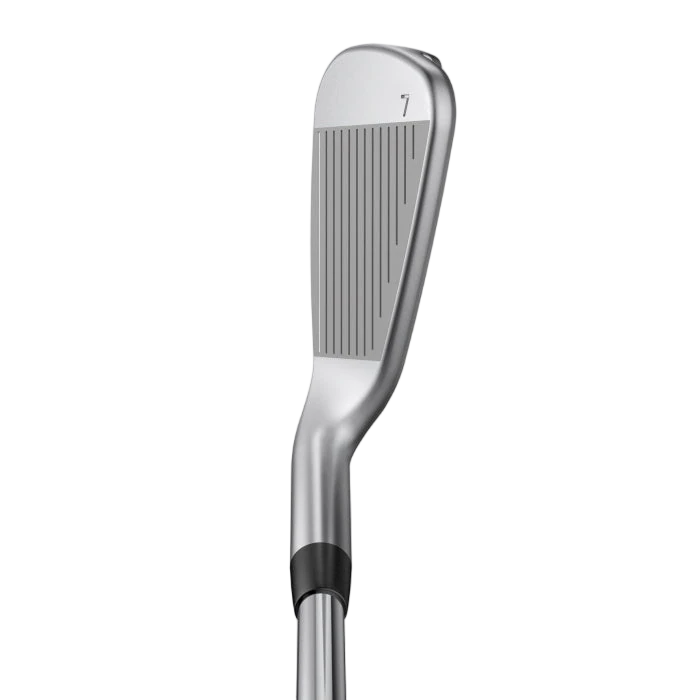
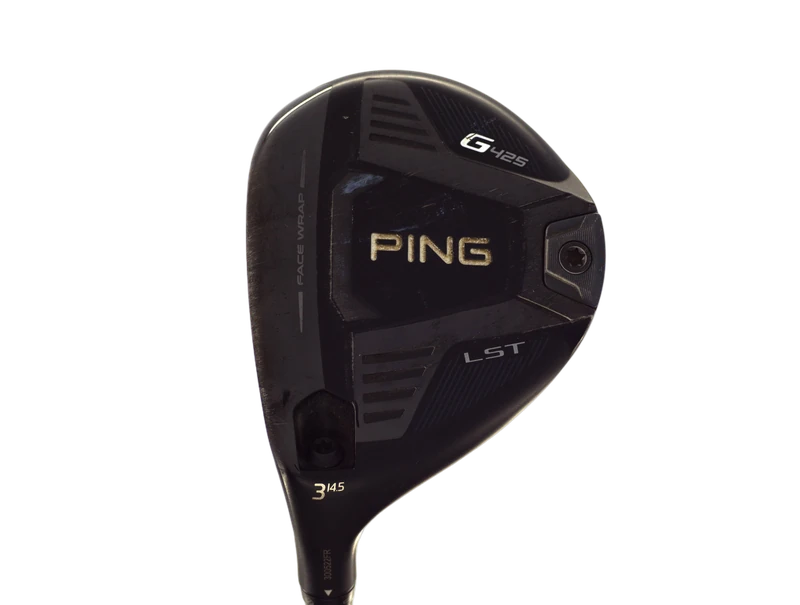
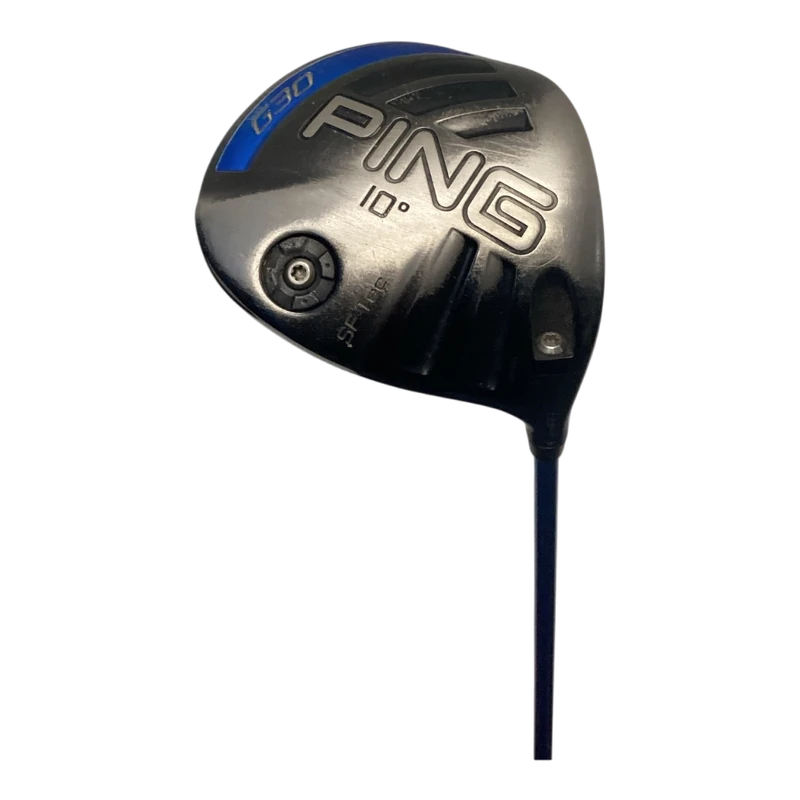
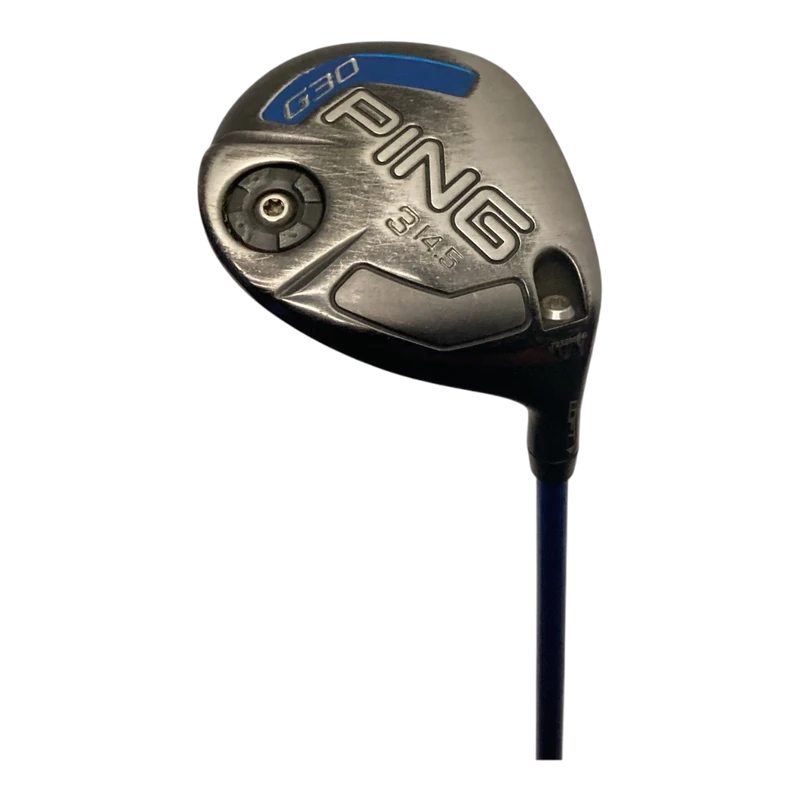
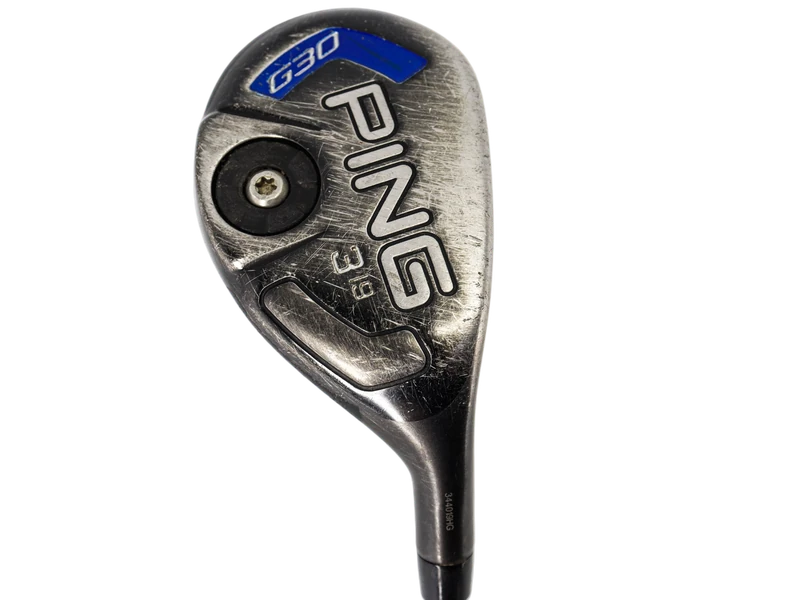
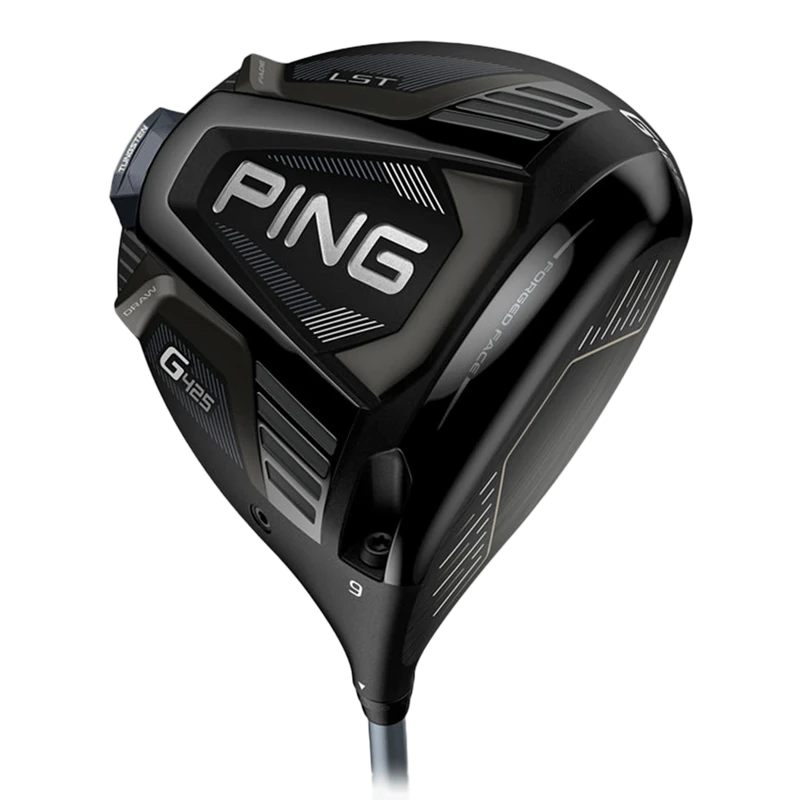
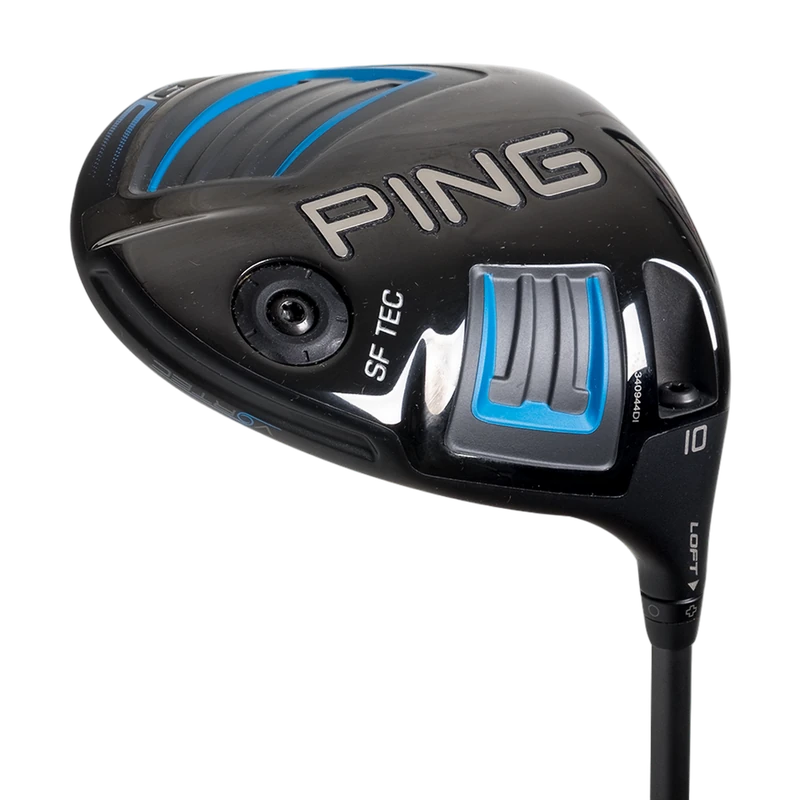
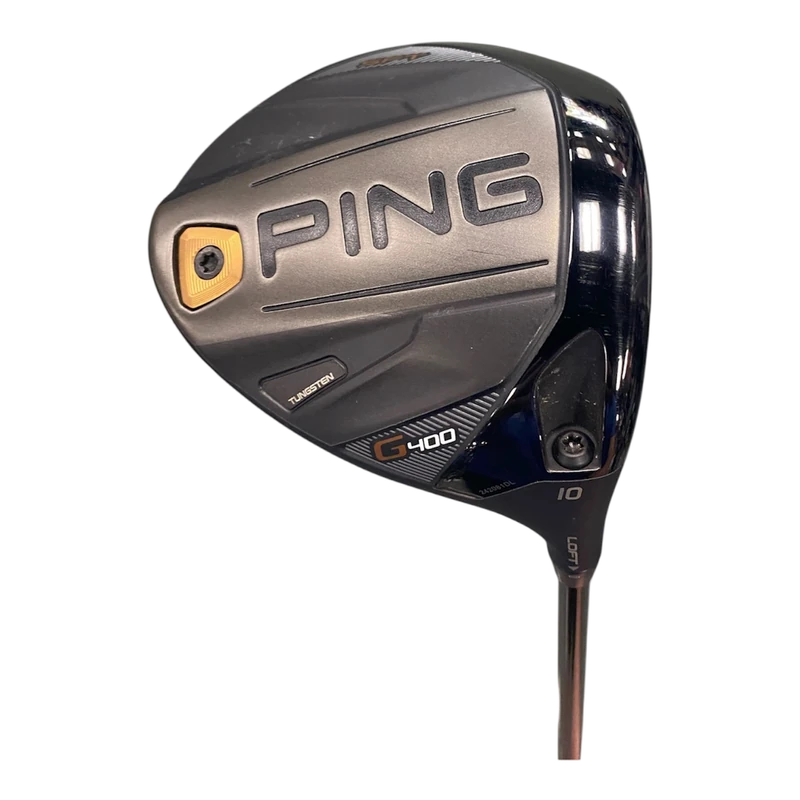
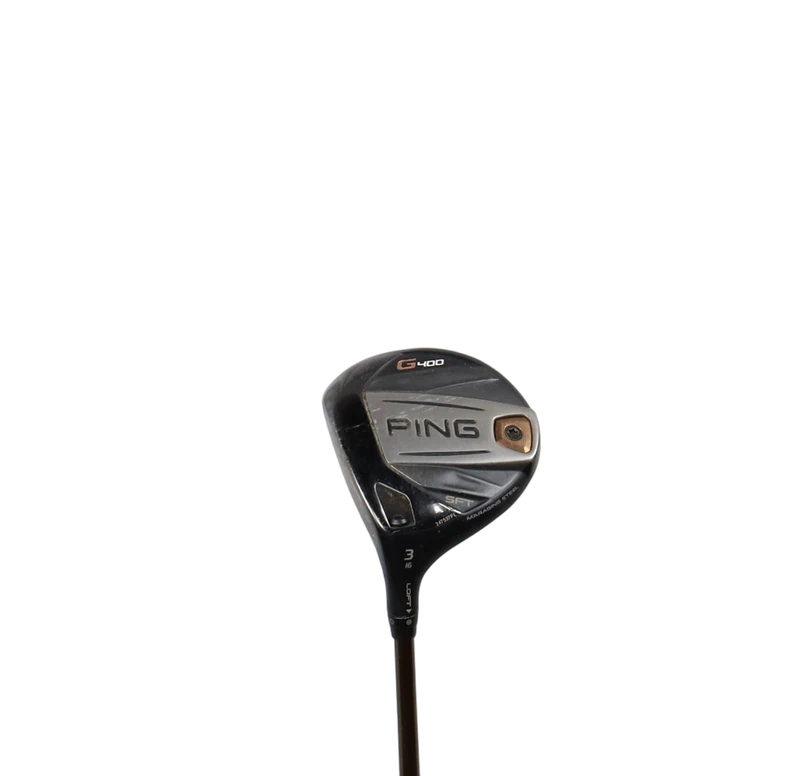
Clubs from this brand